Research

Deep Knowledge Lab for Supply Chain and Logistics

We apply AI, machine learning, and optimization to generate smarter solutions that unlock value across procurement, logistics, and energy systems.

Data is only as powerful as the insights it reveals. The MIT Deep Knowledge Lab for Supply Chain and Logistics combines AI, machine learning, and optimization to unlock value across procurement, logistics, and energy systems.

By partnering with industry and government, we build solutions that reduce costs, lower emissions, and improve operational resilience, turning research into real-world results.

We help supply chains thrive—with smarter data, better decisions, and greener outcomes.
Research Projects

Elucidating Import Container Flows Through U.S. Ports

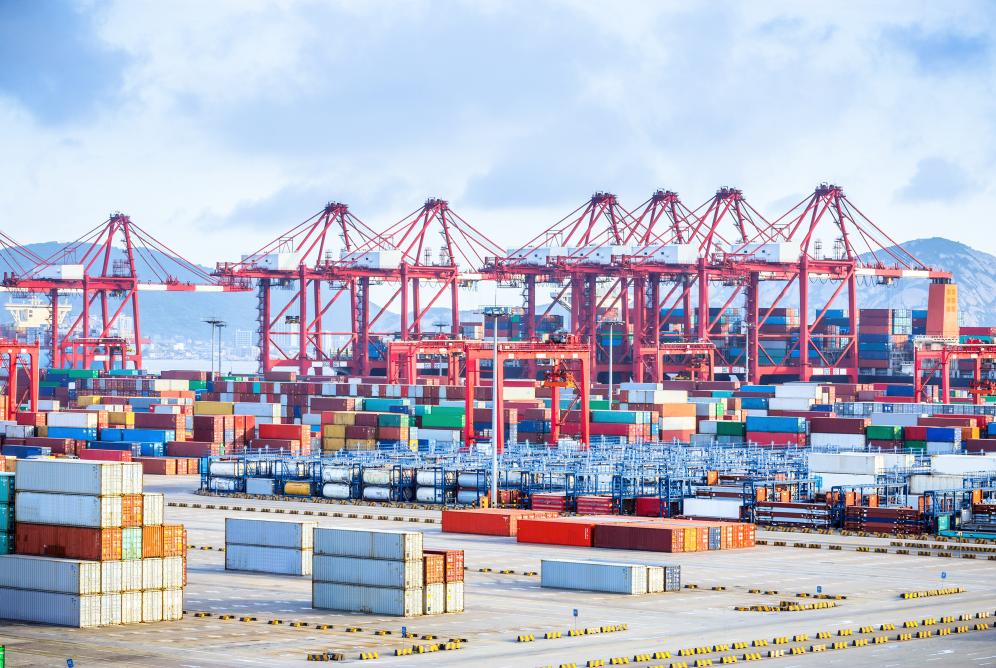
In collaboration with the US Department of Transportation, we are using machine learning and predictive modeling to map how containerized imports move through major US ports—providing insight into dwell times, handling, and multimodal transfers to build smarter, more resilient port logistics.

AI-Enabled Pharmaceutical Logistics and Trade at Scale

We explore how machine learning, generative models, and agentic AI can support precise, time-critical cold chain logistics for pharmaceutical and clinical trial shipments, maintaining high quality across operations where product integrity and patient safety are critical.

Optimizing EV Charging Networks with AI

In partnership with MIT Energy Initiative, we use AI and traffic data to design regional EV charging networks that reduce congestion and scale sustainably.

Renewable Freight Fuel in the US and Canada

We model weekly truck and rail capacity by energy type through 2030, helping a major CPG company plan low-emissions logistics with region-specific cost and performance forecasts.

Port Logistics and Intermodal Simulation (NY/NJ)

In collaboration with the Port of New York and New Jersey, we use discrete-event simulation and NLP-driven commodity classification to map container movement—creating a digital twin that evaluates how short-haul rail can alleviate port congestion and optimize multimodal transfers.

AI-Driven E-Commerce Root-Cause Analysis

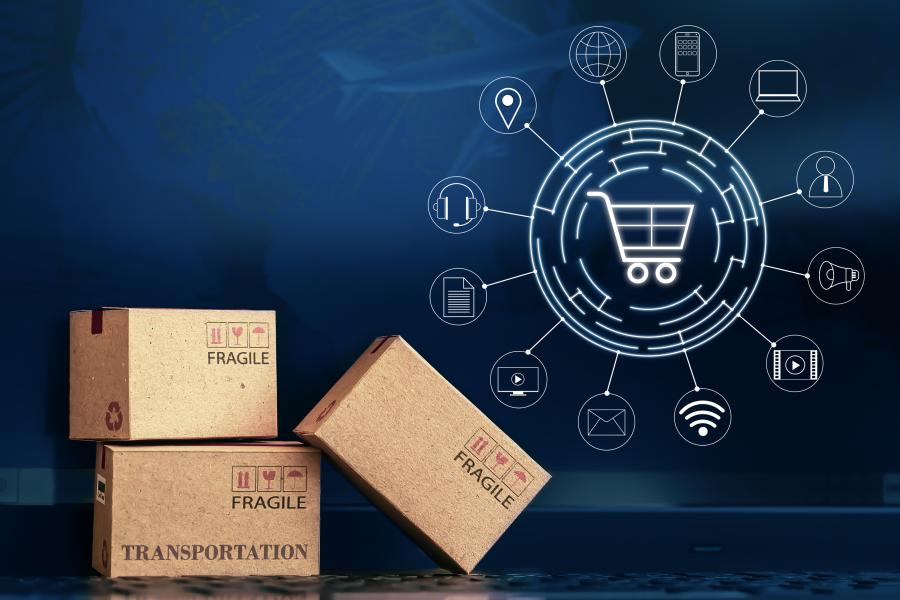
We bridge the gap between e-commerce customer feedback and operational action by combining BERT-based sentiment classification with LLM-driven root-cause analysis. This project uses temporal trend modeling and automated labeling to pinpoint specific logistical failures, such as delivery delays and quality issues, enabling companies to automate complaint resolution and improve service.

Agentic Intelligence for Procurement Decision Support

We study how agentic AI systems can integrate contracts, RFx artifacts, supplier master data, and pricing information to support complex procurement decisions. By evaluating real-world use with category managers, this research measures when AI assistance improves speed, risk awareness, and decision confidence while maintaining auditability and human oversight.

Vessel Fleet Management

We bridge the gap between long-term strategy and daily operations by combining optimization modeling with tactical reinforcement learning for chemical logistics. This project uses digital twin technology to stress-test fleet strategies against environmental and regulatory shifts, delivering an integrated framework that delivers both commercial value and sustainability compliance.

Integrated Decision Intelligence Systems for Enterprise Operations

In collaboration with industry partners, we combine advanced data mapping and risk modeling to build unified decision-making tools for complex enterprise logistics. By streamlining how different business systems talk to one another, our work provides a scalable roadmap for turning complex mathematical insights into reliable, everyday operational strategies.

Contact Us

Interested in collaborating with us? Reach out.