
About us
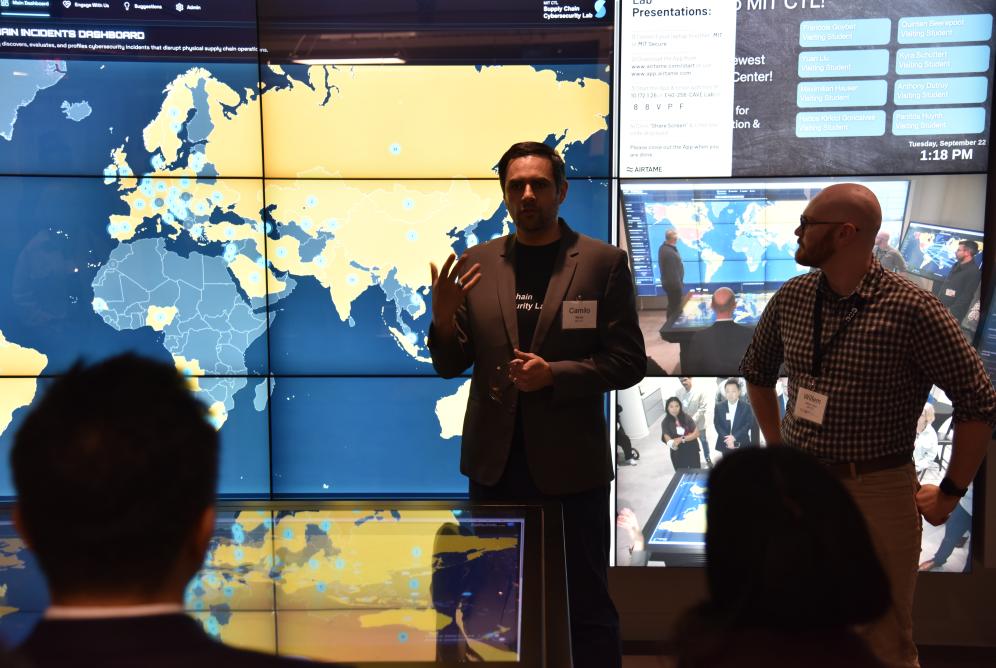
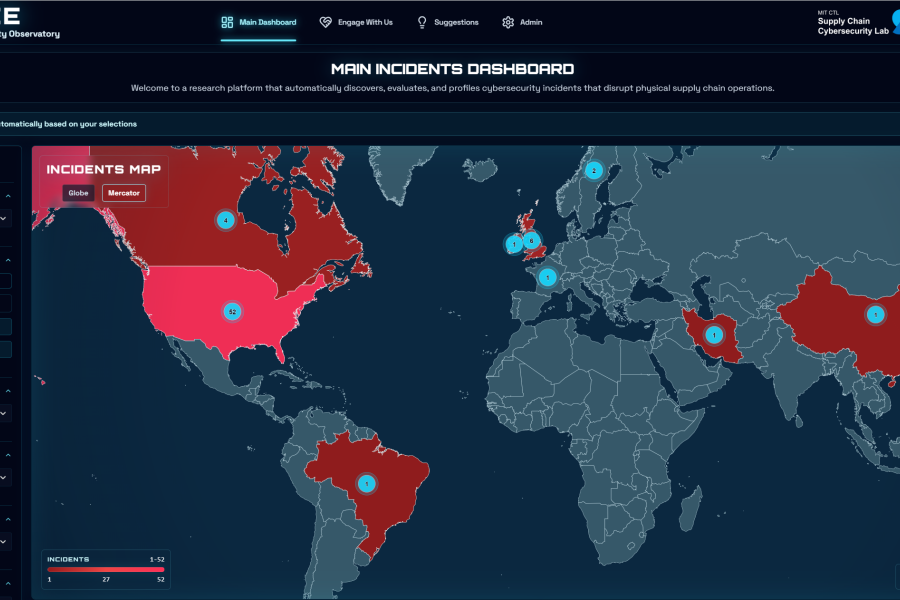
The Supply Chain Cybersecurity Lab at MIT CTL is an interdisciplinary research initiative focused on mitigating the impact of cyberattacks on physical operations. We study how technology-dependent supply chains, which include large software networks, AI agents, robotics, cloud platforms, and complex third-party ecosystems, expand the attack surface and redefine supply chain cybersecurity risks. The lab works with industry to assess how cyberattacks affect manufacturing, warehousing, transportation, fulfillment, and other critical supply chain operations.
Research areas
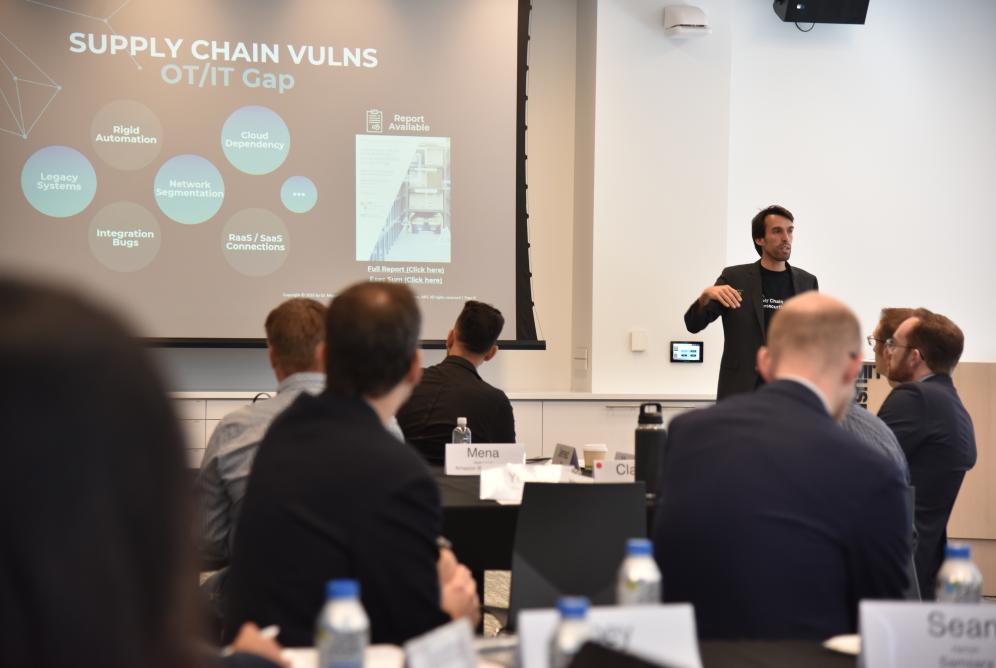
Supply chain cyber vulnerability mapping
We identify the technology, data, and physical dependencies that make supply chains vulnerable to cyberattacks. This includes critical systems such as ERP, WMS, TMS, cloud platforms, automation, robotics, and third-party technology providers.
Operational impact, response, and recovery
We study why some cyberattacks become major operational failures while others are contained more quickly. Our research examines the organizational, technical, and operational factors that influence disruption severity, decision-making, and time to recovery.
Systemic and concentration risk
Modern supply chains increasingly depend on a small number of shared technology, cloud, and service providers. We examine how these concentrated dependencies can create systemic risk across industries and identify strategies to reduce cascading operational consequences.
AI, automation, and emerging cyber risks
As supply chains adopt AI agents, interconnected automation, and autonomous systems like humanoids, they gain new capabilities, but they add new vulnerabilities as well. We investigate emerging attack vectors, security trade-offs, and practical guardrails for deploying future technologies safely in physical operations..
Support us
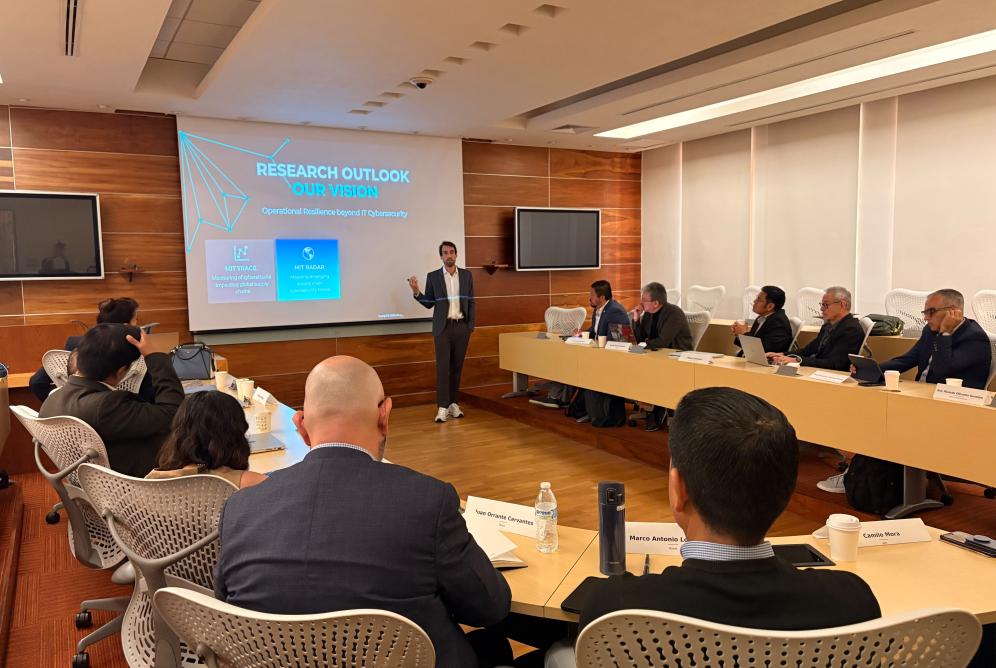
MIT is built on collaboration. We work across government, industry, academia, philanthropy, and other sectors to test ideas, refine solutions, and bring proven approaches to scale. The Supply Chain Cybersecurity Lab at MIT CTL is seeking founding sponsors to help execute this research agenda. The Lab also welcomes companies, government, and other organizations to sponsor other research that addresses their own specific supply chain cybersecurity challenges.