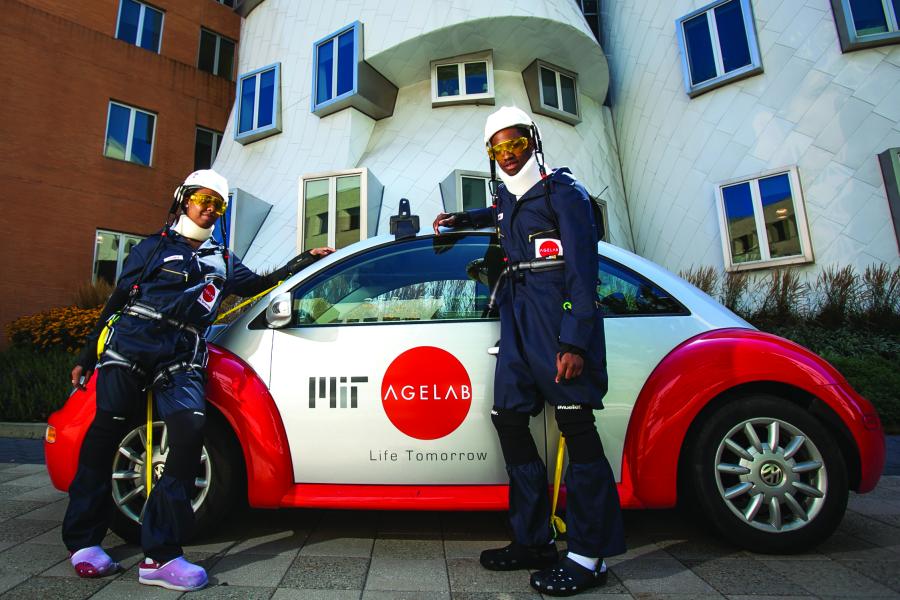
The MIT AgeLab is a multidisciplinary research lab that works with business, government, and NGOs to improve the quality of life of older people and those who care for them. The MIT AgeLab applies consumer-centered systems thinking to understand the challenges and opportunities of longevity and emerging generational lifestyles to catalyze innovation across business markets.
The MIT AgeLab was created in 1999 to invent new ideas and creatively translate technologies into practical solutions that improve people’s health and enable them to “do things” throughout the lifespan. Equal to the need for ideas and new technologies is the belief that innovations in how products are designed, services are delivered, or policies are implemented are of critical importance to our quality of life tomorrow.
AgeLab research areas
Caregiving and well-being
Our research in health, wellbeing, and caregiving focuses on health awareness, new technologies, and novel approaches to behavior change. We explore innovations that move health and wellness from the hospital and doctor's office to the home, workplace, retail settings, and all places that impact people's decision-making and behavior. We also look to identify and understand the services, products, and knowledge that can equip older adults and their caregivers to make better and healthier decisions as they age.
Home logistics and services
The home is more than simply a place to live; it is a platform to engage with new technologies and services, and enable a better life tomorrow. At the AgeLab, we are exploring the future of technology-enabled home services integrated into everyday living to enhance well-being and safety. We investigate what types of services will be desired by older users, their families, and care providers to facilitate aging in place. Further research examines the impact of home design and the decision-making processes among older adults regarding their housing.
Retirement and longevity planning
As people are living longer, retirement planning as we know it is being replaced by longevity planning, a concept that requires holistic thinking from the individual, familial, and societal perspectives. Retirement once meant leaving the workforce to pursue leisure activities, but today's aging population is reinventing life after 65.
Financial planning is critical to enabling individuals to address traditional long-term planning questions. However, ensuring quality of life in longevity is equally important. How will you stay involved in your community or grab coffee with a friend? Do you want to volunteer or work part-time? Are there opportunities for lifelong learning?
AgeLab works with financial services companies, banks, and insurers to explore how people think about longevity issues throughout the lifespan and take action to plan for life tomorrow. Furthermore, we examine the role of engagement, advice, and trust across generations in ensuring financial preparedness.
Transportation and livable communities
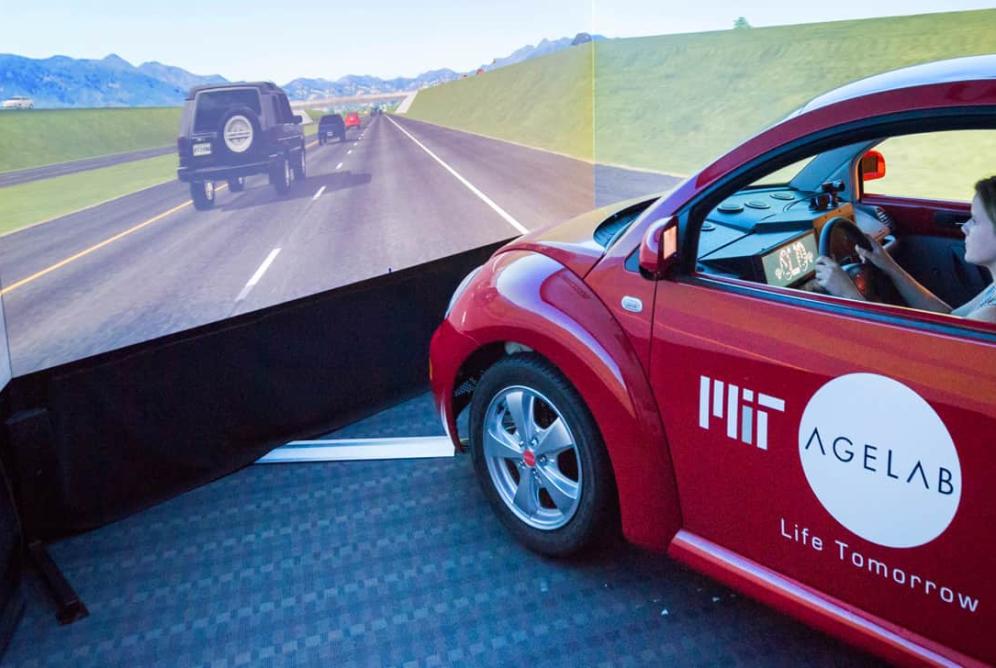
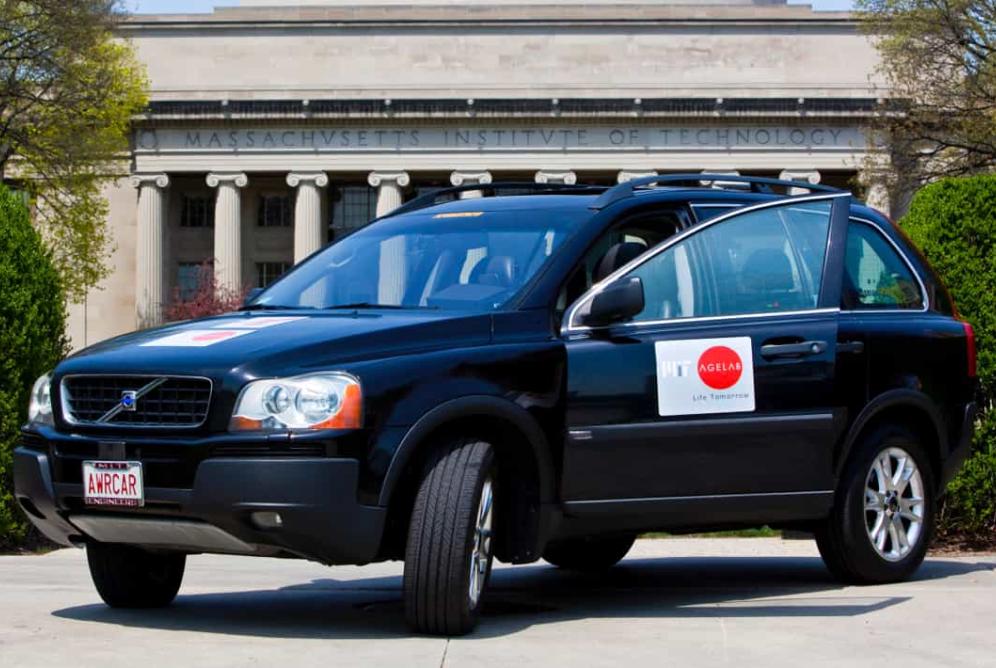
Transportation is critical to everyday life. More than simply getting from point A to point B, transportation is the key to independence, freedom, and meaningful engagement for older people. Sponsored by the U.S. Department of Transportation, New England University Transportation Center, the insurance industry, Santos Family Foundation, automobile industry, pharmaceutical manufacturers, and selected governments around the world, the AgeLab's transportation research addresses transportation safety, the impacts of health, wellness, and medication use on operator performance, personal transportation choices, future travel demand, the promise and trade-offs of new technologies in the automobile, vehicle services and design, and mobility alternatives in the context of livable communities across ages in the United States and around the world.
The Advanced Vehicle Technology Consortium
The Advanced Vehicle Technology (AVT) Consortium is a global academic-industry collaboration aiming to develop a data-driven understanding of how drivers use and respond to various vehicle technologies across the lifespan — looking in-depth at system performance and the effects on driving behavior and consumer attitudes. The AVT Consortium brings together stakeholders across the automotive, technology, and insurance industries along with consumer-focused research organizations to provide analysis, insights, and a forum for discussion. Its datasets — collected by MIT researchers from real drivers in the real world — are among the largest of its kind. The Consortium and its members are working toward a better understanding of the challenges that today’s drivers experience, as well as the related opportunities to promote better system design and user experience that enhance safety, convenience, and comfort in a rapidly evolving mobility landscape.
The AWARE Initiative
AWARE (AI With Awareness for Real-World Environments) is a research initiative that advances human-aware AI and intelligent systems capable of sensing, interpreting, and responding to the human state. AWARE provides organizations across mobility, health services, the home, and the workplace with the scientific foundations needed to design technologies that, based on human state, adapt seamlessly, shape behavior, promote safety and well-being, and elevate experience and quality of life.