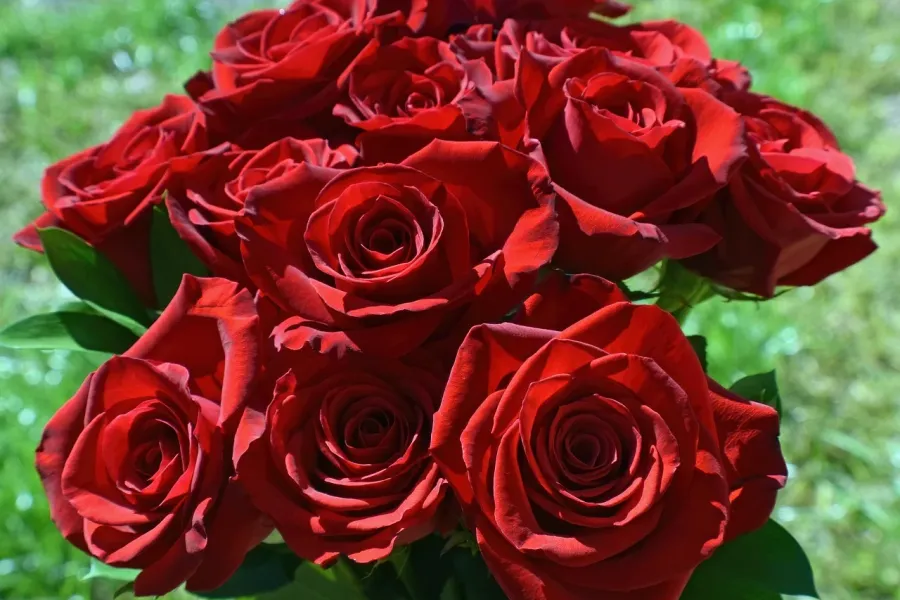
Valentine's Day is the biggest day of the year for flower sales, accounting for nearly 30% of all annual flower sales (Society of American Florists). How do stores meet this significant surge in demand? Behind the scenes, the methods of perishable supply chains are at work, racing against the clock to keep the flowers fresh.
"Once a flower is cut in the farm, you only have five days to get it on the shelf," says Dr. Christopher Mejía Argueta, director of the MIT Emerging Market Economies Logistics Lab (EMeL) at the MIT Center for Transportation and Logistics. "What's more, in the United States, the flowers are traveling a long distance. Most roses are coming from Kenya, Colombia, and Ecuador. They usually arrive in Florida and are spread all over the country."
The long distance impacts the cost of flowers significantly, but it is not the only major logistics cost. Mejía says, "Given that flowers are very perishable, we need cold chains. For flowers, we need to vacuum seal them and use sophisticated technology to control the temperature and also the humidity to keep the flowers fresh." Overall, logistics costs often represent between 25% to 40% of the final retail price, according to EMeL's research.
From farms in South America to a local florist's shelf in the U.S., meeting the demand for Valentine's Day flowers is a prime example of the careful planning and execution required in perishable supply chains. Learn more about EMeL and the work they do across perishable supply chains, food supply chains, and more.


