Capstone projects
Capstones invite industry organizations to partner with MIT CTL by sponsoring a significant supply chain challenge for our master’s students to investigate. These collaborations connect sponsors with MIT expertise — engaging student teams and faculty in rigorous analysis, innovative problem-solving, and research-driven insights.
Over a 10-month engagement, student teams work closely with the sponsoring organization to frame the problem, analyze data, test solution approaches, and deliver recommendations that can be implemented in practice.
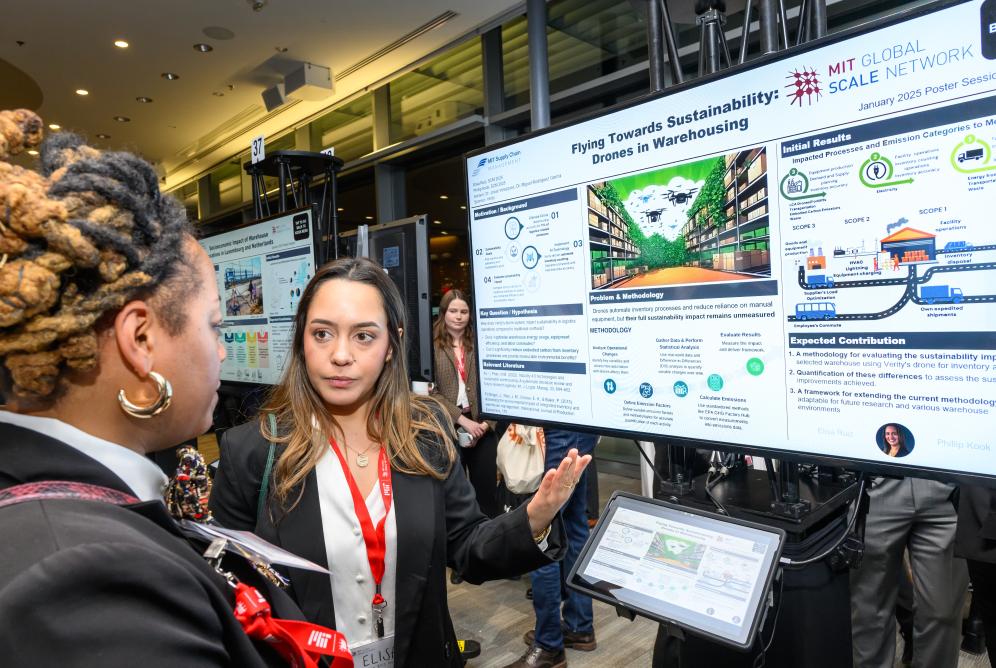

How capstone projects work
Each project is designed around a problem identified by an industry organization. Students engage in:
✔ Fresh, objective analysis
Teams approach the challenge with academic rigor, independent thinking, and advanced modeling techniques — often uncovering insights that internal teams may overlook.
✔ Data-backed recommendations
Students apply optimization, simulation, AI/ML techniques, and systems thinking frameworks to produce detailed analyses and practical recommendations.
✔ Professional deliverables
Every engagement culminates in:
- A comprehensive written report
- Analytical models or prototypes
- Visualizations and decision-support tools
- An executive-level final presentation
✔ Close collaboration and mentorship
Throughout the project, teams are supported by MIT CTL faculty and research advisors who guide methodology, ensure academic rigor, and help translate research into actionable outcomes.
Why capstones matter

For MIT SCM students:
• Curriculum integration: Synthesizes analytics, operations, and leadership into a singular, high-stakes academic centerpiece.
• Professional readiness: Provides direct experience managing industry stakeholders and solving complex, real-world problems.
• Elite networking: Establishes a tangible professional portfolio and connects students to a global network of supply chain experts.
For participating organizations:
• Applied innovation: Offers direct access to data-driven methods and cutting-edge discoveries emerging from the MIT ecosystem.
• Strategic de-risking: Provides a sandbox to test hypotheses, validate models, and pilot new technologies before internal scaling.
• Talent acquisition: Serves as a high-visibility pipeline to vet and recruit top-tier candidates for full-time leadership roles.
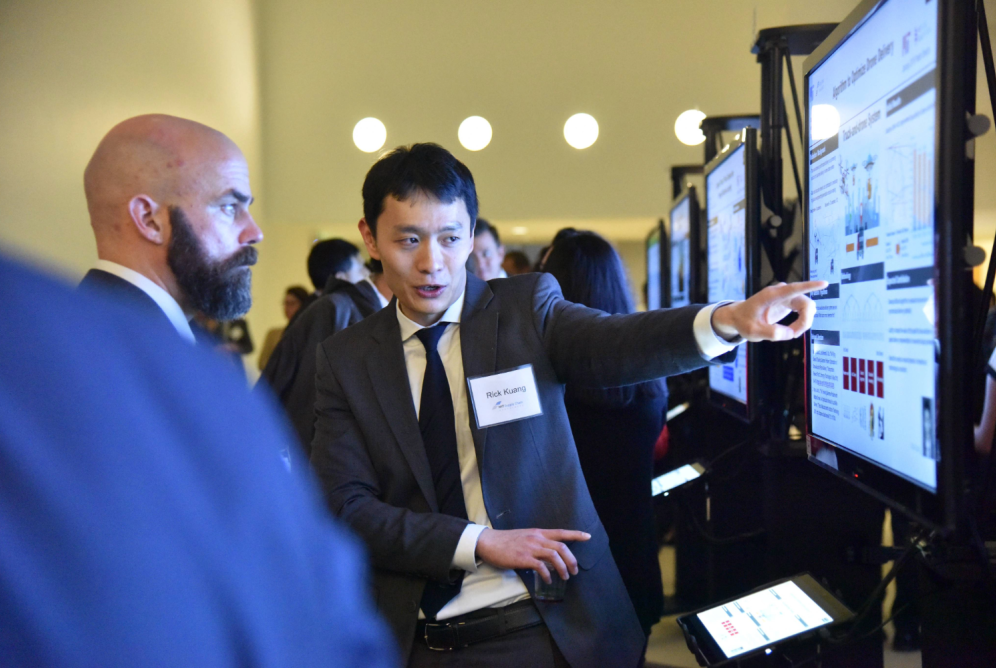
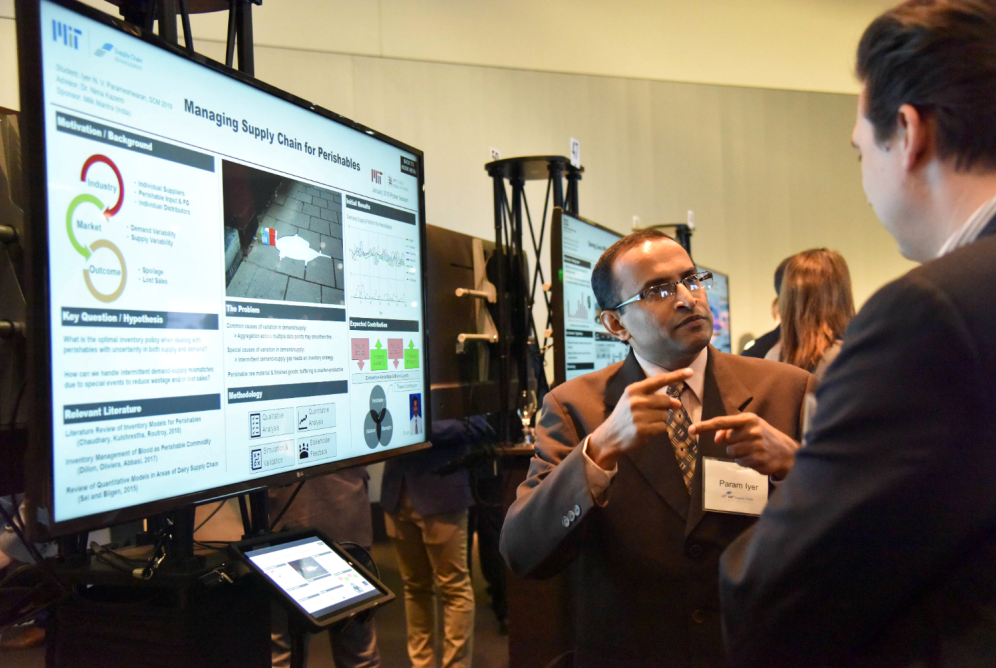
Sponsoring a capstone project
Organizations interested in becoming project sponsors can propose a challenge aligned with the academic timeline. CTL’s capstone team works with sponsors to scope the problem, establish expectations, and ensure strong collaboration throughout the engagement.
Ideal project types include:
- Network design and optimization
- Inventory or forecasting challenges
- Digital transformation or analytics initiatives
- Sustainability and Scope 3 modeling
- Transportation, routing, or freight strategy
- Risk and resilience analysis


